Hoppa till innehål

#MyUppsala by Sagas okända Sthlm

History walks and unexpected hidden gems

There are people who see an ordinary street. And then there are people who see a story behind every doorway, courtyard, and street corner. Saga Loxdal belongs to the latter group. Through her social media channels, she has inspired tens of thousands of followers as “Sagas okända Sthlm” (Saga’s Unknown Stockholm) to look up, take a detour, and discover the unexpected things that are often hiding right in front of us.

“I’ve always expected life to be exciting. My motto is that there’s no such thing as a boring walk.”

Saga’s interest in history and discovering new places has been with her since childhood. Growing up in a family passionate about history, her curiosity developed naturally. But it was during the pandemic, when walks became one of the few available activities, that her interest gained even more momentum. What began as personal explorations in southern Stockholm gradually evolved into a popular social media concept. Today, more than 80,000 people follow her Instagram account, with tens of thousands more following her on TikTok. There, she shares stories about hidden places, forgotten histories, and unexpected details that many people pass by without noticing.

Två kvinnor promenerar i trädgård

Exploring the Linnaeus Garden in search of its unique monkey houses.

The advice: discover more by planning less

Behind every post Saga creates lies extensive research in archives, countless hours on Google, and personal conversations. But she is also an advocate of “IQ tourism” – a way of travelling where curiosity leads the way. It’s about daring to go beyond the attractions on your checklist and making room for unexpected discoveries.

“My best travel advice is to plan less in detail! In Uppsala, it’s especially easy because you can walk everywhere, while there’s so much fascinating history all around you. Stop, take a closer look at something, and Google what it is. That’s often how I find the most exciting stories.”

She also recommends talking to locals and browsing local Facebook groups. When people share their own memories and knowledge, they often add details that make history come alive.

Uppsala – a city that has always been close to her heart

Although Saga is primarily associated with Stockholm, Uppsala has always held a special place in her life. Her parents and grandparents are from the city, and she spent a great deal of time here as a child. Later, she returned to study at Uppsala University, where she is currently pursuing a master’s degree in Fashion and Textile History (“I simply have to come back and visit the Treasury in Uppsala Cathedral, which houses historical textiles unlike anywhere else in the world!”). Uppsala is familiar, yet still full of things to discover.

“It’s also much easier to get to Uppsala than many people think. The train from Stockholm only takes around 30 minutes. That’s shorter than some journeys within Stockholm itself.”

Small secrets and great stories

So what does a curious explorer discover first in Uppsala? Saga starts with the city’s miniature worlds. Only those who look closely will spot the Mouse Houses, the cathedral mice, and the fairytale cat Peter-No-Tail peephole. These miniature scenes tell stories from both the past and present-day Uppsala. Mice near a historic café are busy baking bread, while others are preparing for one of Uppsala’s most beloved traditions – the river rafting festivities during Walpurgis.

“Besides being fun to look at, I love how the miniature worlds make you notice more of the city. You start seeing details you would otherwise have missed, both in the artworks themselves and in the streets around them.”

Ett tittfönster med små möss

One of the Mouse Houses is located next to Güntherska, the bakery and café that has been part of Uppsala since 1887.

But it’s not only the small secrets that fascinate Saga. One of her most memorable experiences in Uppsala took place at Uppsala Castle, where she had the opportunity to visit areas normally closed to the public. Bastion Styrbiskop, commissioned by Gustav Vasa himself to protect the castle, has survived since the 16th century.

Hear her tell the story here:

Although that hidden room is not open to visitors, there is still plenty to discover above ground in true “Saga style” at Uppsala Castle. The 16th-century Gunilla Bell is a well-known landmark. Positioned directly above Bastion Styrbiskop, it served as a town bell marking the beginning and end of the working day. It is also here that thousands of visitors gather during Walpurgis to hear Allmänna Sången, Scandinavia’s oldest academic choir, welcome the arrival of spring. Nearby stand Gustav Vasa’s cannons, aimed directly at the cathedral – why not look up the story behind this unusual placement?

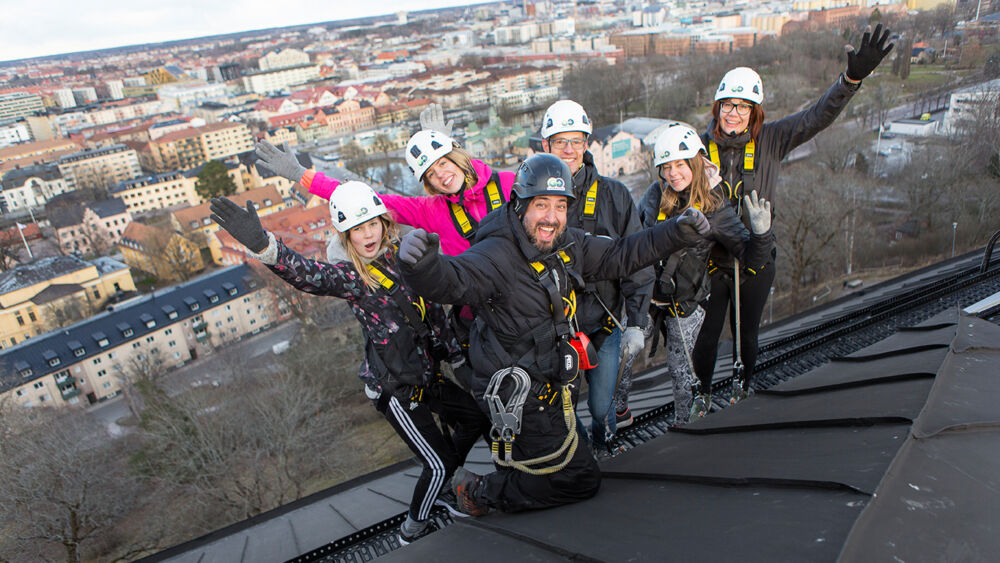
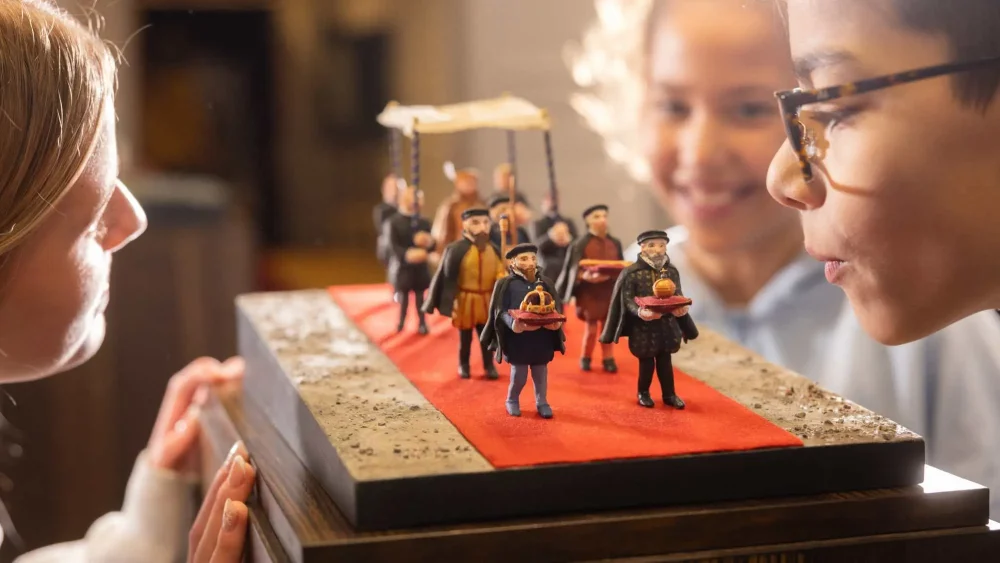
Inside the castle, Uppsala Castle Museum is filled with personal stories of power, intrigue, and dramatic events that shaped Sweden. In Vasaborgen, visitors can step directly into the oldest parts of the castle dating back to Gustav Vasa’s era. For the adventurous, guided rooftop walks offer the chance to access the castle roof through hidden rooms in the castle towers.

Kvinna fikar på Fågelsångens konditori

Saga enjoys a coffee break at the charming 1950s-style café Fågelsången.

Fika with character at classic cafés

Every explorer needs a coffee break, and according to Saga, Uppsala offers something truly special.

“Uppsala’s cafés feel unique. In larger cities like Stockholm, many classic cafés are modernised or become part of chains. Here, you still find historic cafés where the atmosphere and history remain intact.”

She glances around Fågelsången, an elegant 1950s café serving traditional pastries with views of Uppsala Castle. Other favourites high on her list include Ofvandahls, Güntherska, Café Linné, and Kafferummet Storken.

Watch Saga visit cafés in Uppsala here:

Linnaeus, bay trees, and souvenirs

For anyone interested in history, a visit to the Linnaeus Museum and the Linnaeus Garden is essential as well.

“Imagine being able to walk where Carl Linnaeus himself walked, see his books, his porcelain… even the bed where he passed away. It genuinely feels like a hidden treasure, even though it’s an open museum.”

Saga is particularly fascinated by the famous bay trees in the garden – the very trees Linnaeus cultivated and used when describing the species Laurus nobilis in 1753. To this day, branches from these trees are used to create the laurel wreaths awarded to newly appointed honorary doctors at Uppsala University.

Kvinna sitter på bänk i en trädgård

Saga and Carl Linnaeus, outside his former home, now a museum.

And for those wanting to take a piece of Uppsala home, the museum shops are well worth a visit.

“I love souvenirs and merchandise. Uppsala has fantastic museum shops with everything from Linnaeus-inspired floral prints to products featuring motifs from the university’s collections.”

Looking ahead, Saga hopes to continue developing Sagas okända Sthlm in new formats and dreams of writing books that inspire more people to discover the history around them. In the end, it all comes down to the same thing – daring to turn down that little street you’ve never explored before. Pausing to notice a detail. Asking a question. For those who are curious enough, there will always be more stories waiting to be discovered.

#MyUppsala by Sagas okända Sthlm
12 places and guides

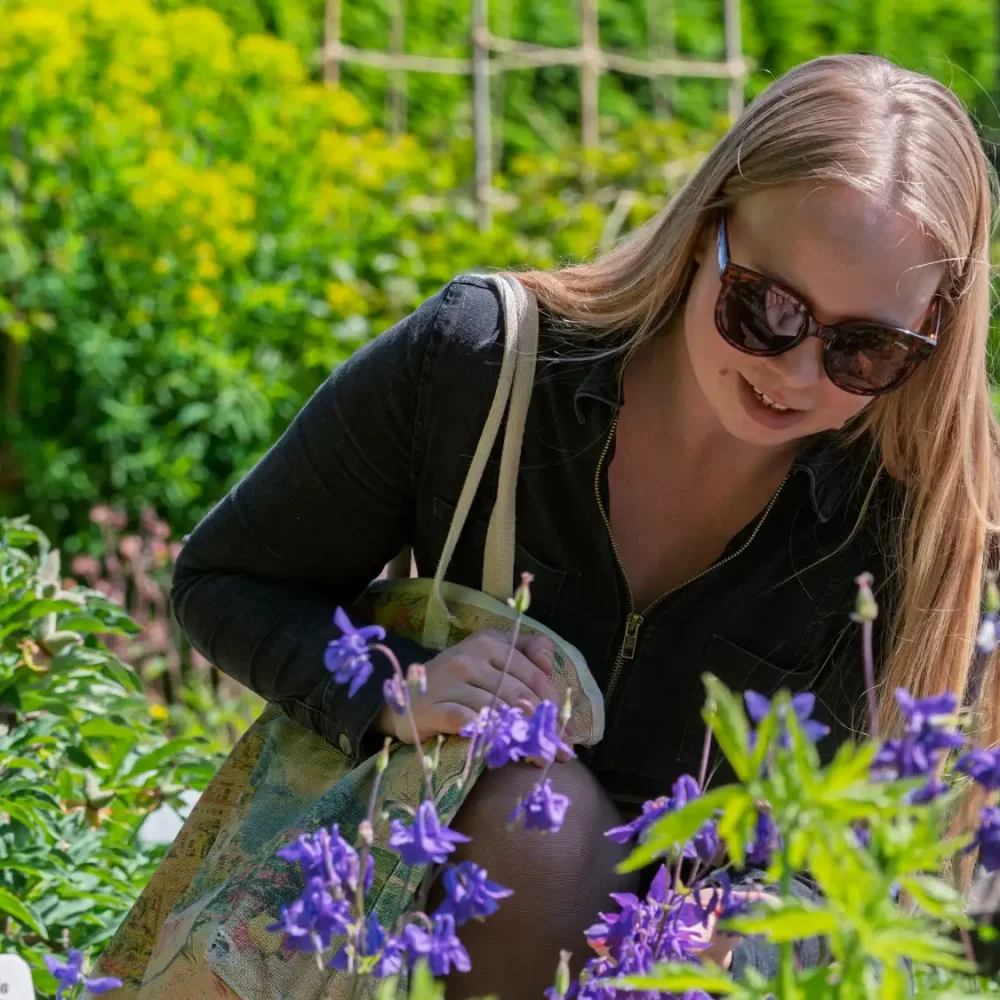
Kvinna kollar på blommor

About Saga

Age: 35
Lives: Enskede Gård, Stockholm
Interests: History, design, hidden gems

Follow Saga at Instagram
Follow Saga på at TikTok.


Paid collaboration between Destination Uppsala and Sagas Okända Sthlm. In our collaborations, all partners decide for themselves what they want to experience and recommend.